Which atlantic bonito formats can be supplied?
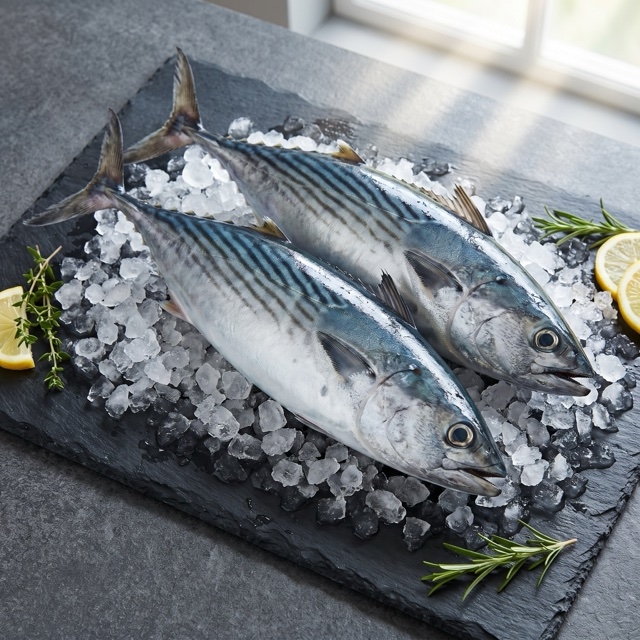
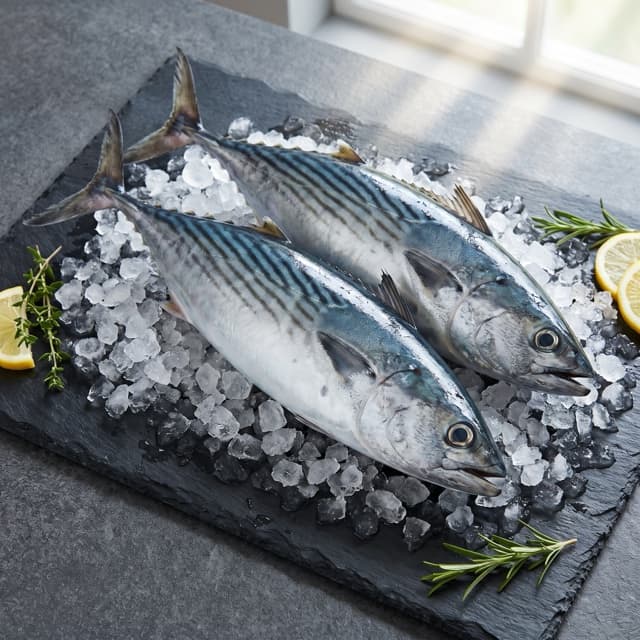
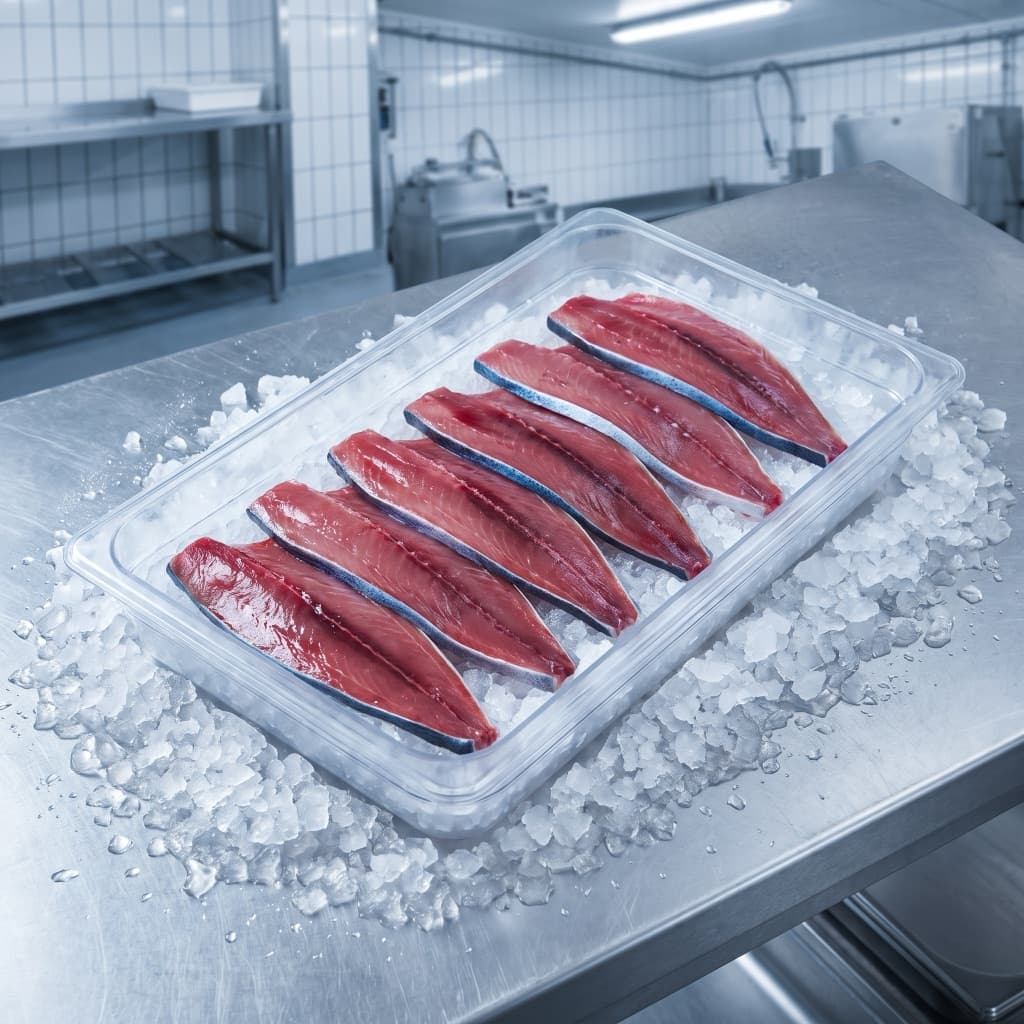
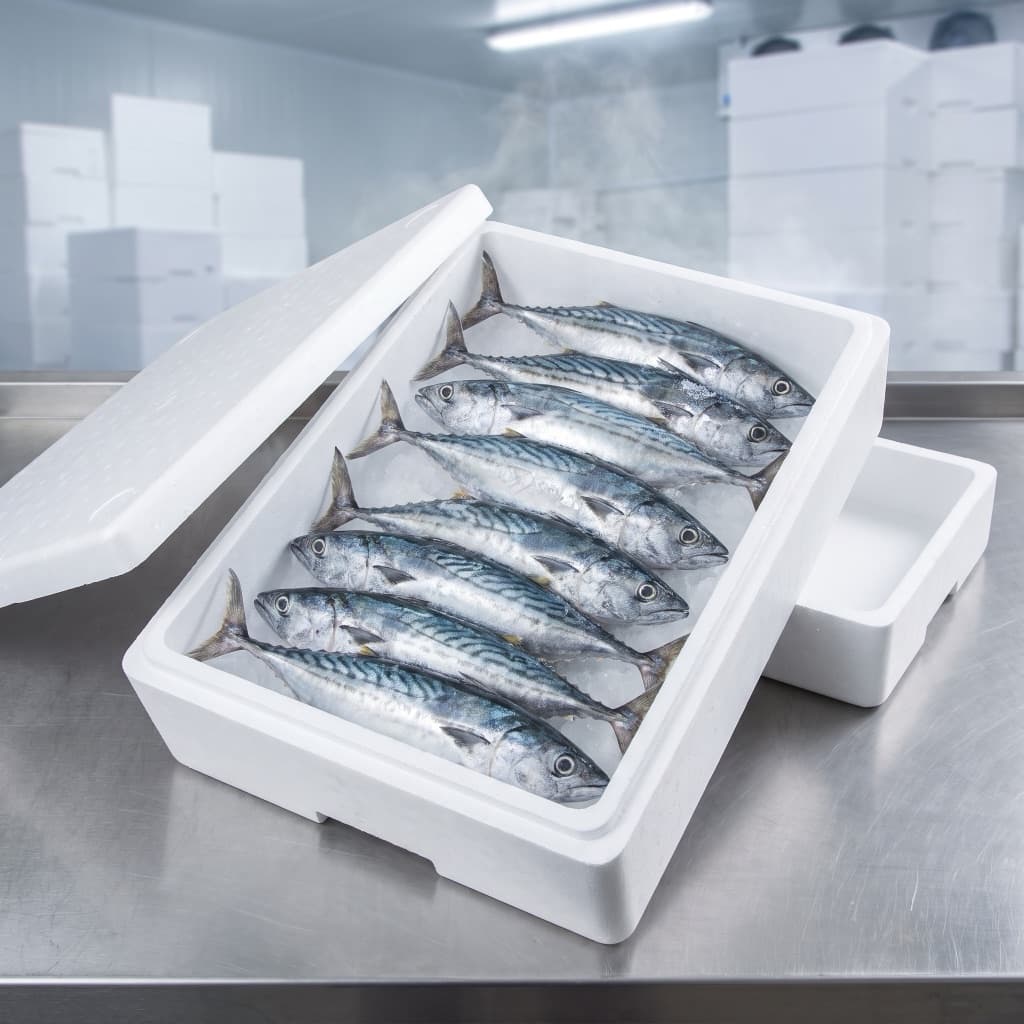
Whole round bonito in the 300-900 g range is packed in 10 kg styrofoam cartons, and bonito fillets in 10 kg bulk cartons.
How should size and processing be specified?
State the piece weight range, tolerance, net weight, freezing method, glazing, and histamine testing. Bonito is a histamine-forming species.
Why state the intended use?
Whole fish suits grilling and pan-frying. Fillets suit restaurant portions and further processing such as curing, smoking, or canning.
Which cold-chain details are required?
Confirm production, loading, and transport temperatures, shelf life, thawing instructions, and temperature records for the product.
Which documents should be requested?
Confirm the specification, analysis or health documents, origin, facility details, packing list, and shipment papers for the destination.
What is a bonito fish, and is it a tuna?
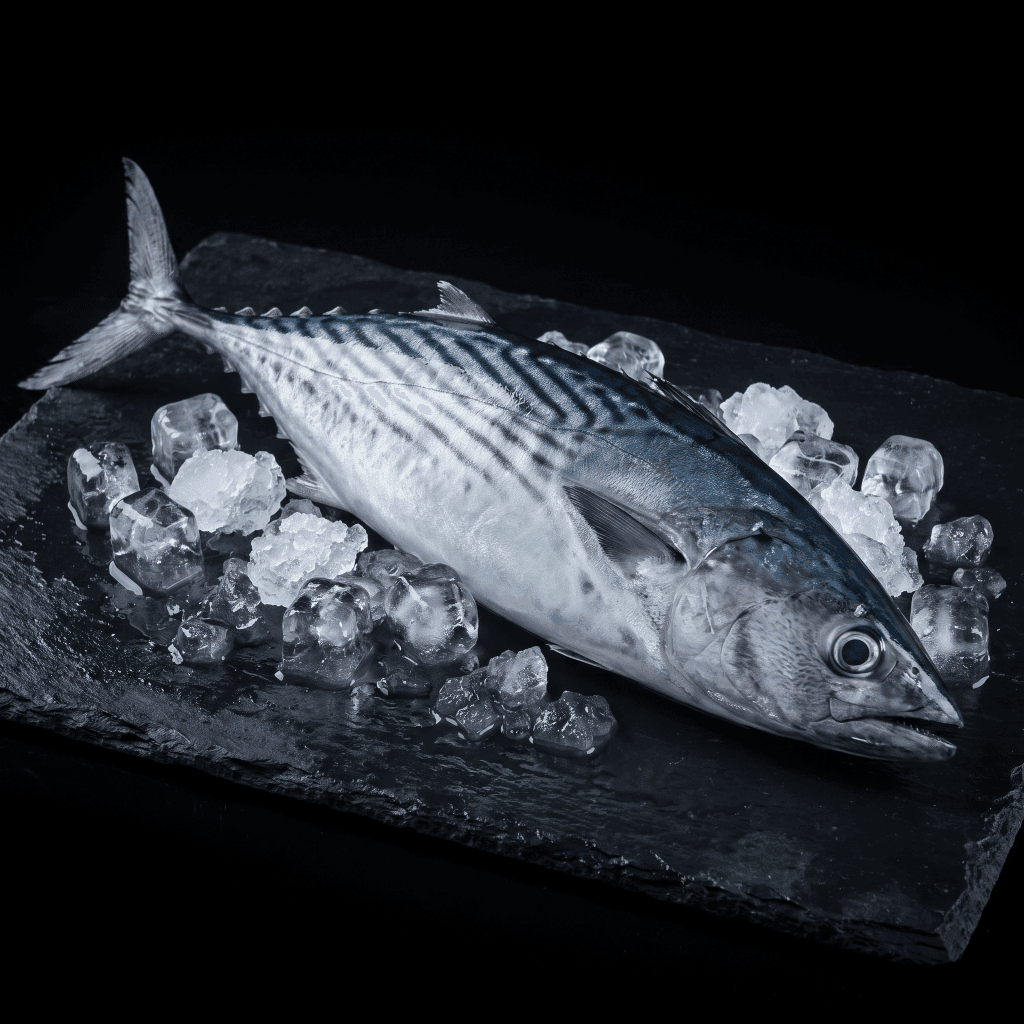
Atlantic bonito (Sarda sarda) belongs to the same family as tuna and mackerel, Scombridae, but it is a separate genus. It is smaller than most tunas, with dark slanting stripes on the upper back and a plain silver belly. Skipjack has stripes on the belly instead, and little tunny (false albacore) has wavy marks on the back and spots under the pectoral fin.
What determines the price of frozen bonito?
The Turkish catch sets the base: landings have ranged from about 2,000 tonnes to almost 50,000 tonnes in recent years. The quotation then reflects the size range, whole round or fillet, fresh or frozen form, glaze, order volume and incoterm. We do not publish prices. Send the size and form you need through the Request Quote button and we will return a current written offer.
Which HS code applies to frozen bonito?
Frozen whole Atlantic bonito (Sarda sarda) is classified under HS 0303.59 and frozen bonito fillets under HS 0304.89. National tariff lines differ by country, so the full code is confirmed with the customs broker before each shipment. Shipments to the European Union also need a catch certificate alongside the health certificate.
Is bonito a histamine risk, and what should importers ask for?
Yes. Bonito is a scombroid fish that can form histamine if it is not chilled quickly, and freezing or cooking does not remove histamine once formed. Ask for lot histamine results (the EU limit is set in Regulation 2073/2005), time from catch to freezing, storage at -18 °C or colder, glaze and cold-chain records.

 Chat on WhatsApp