Which red snapper formats can be supplied?
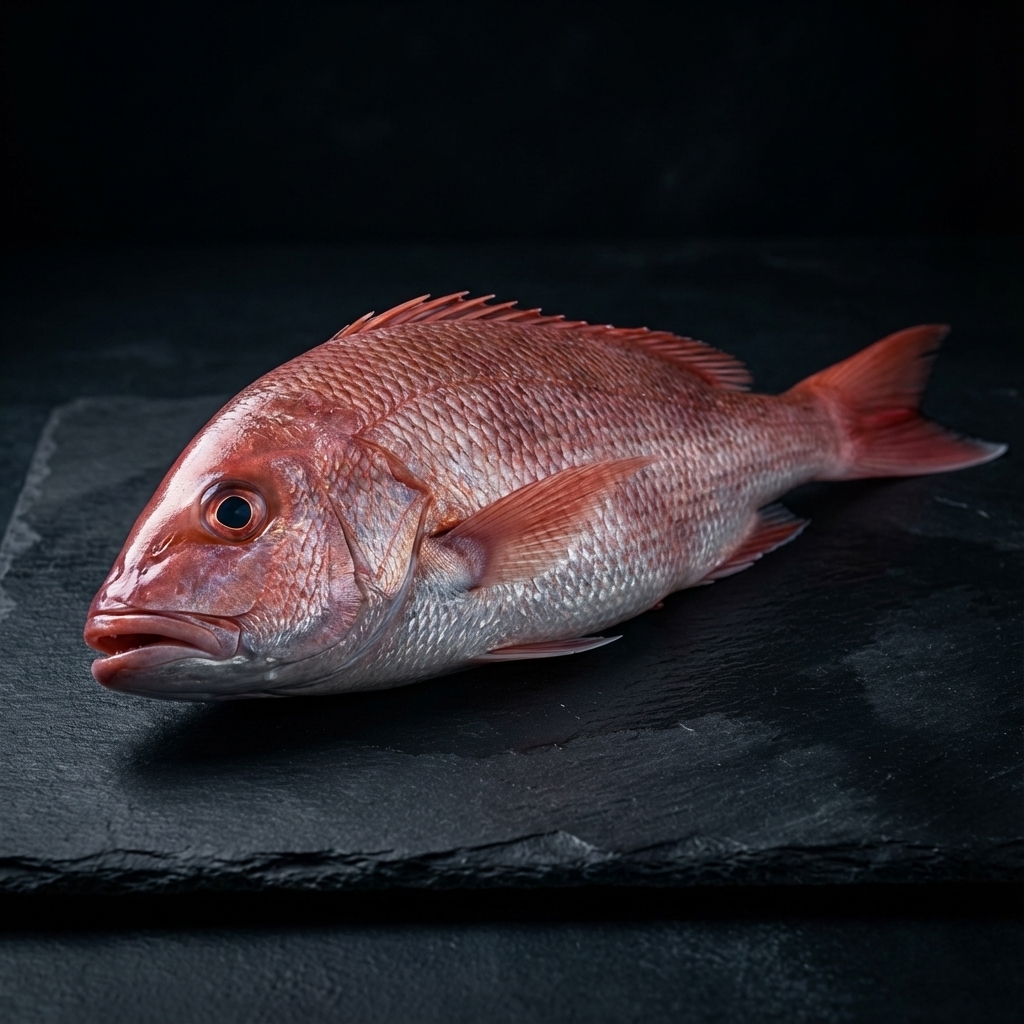
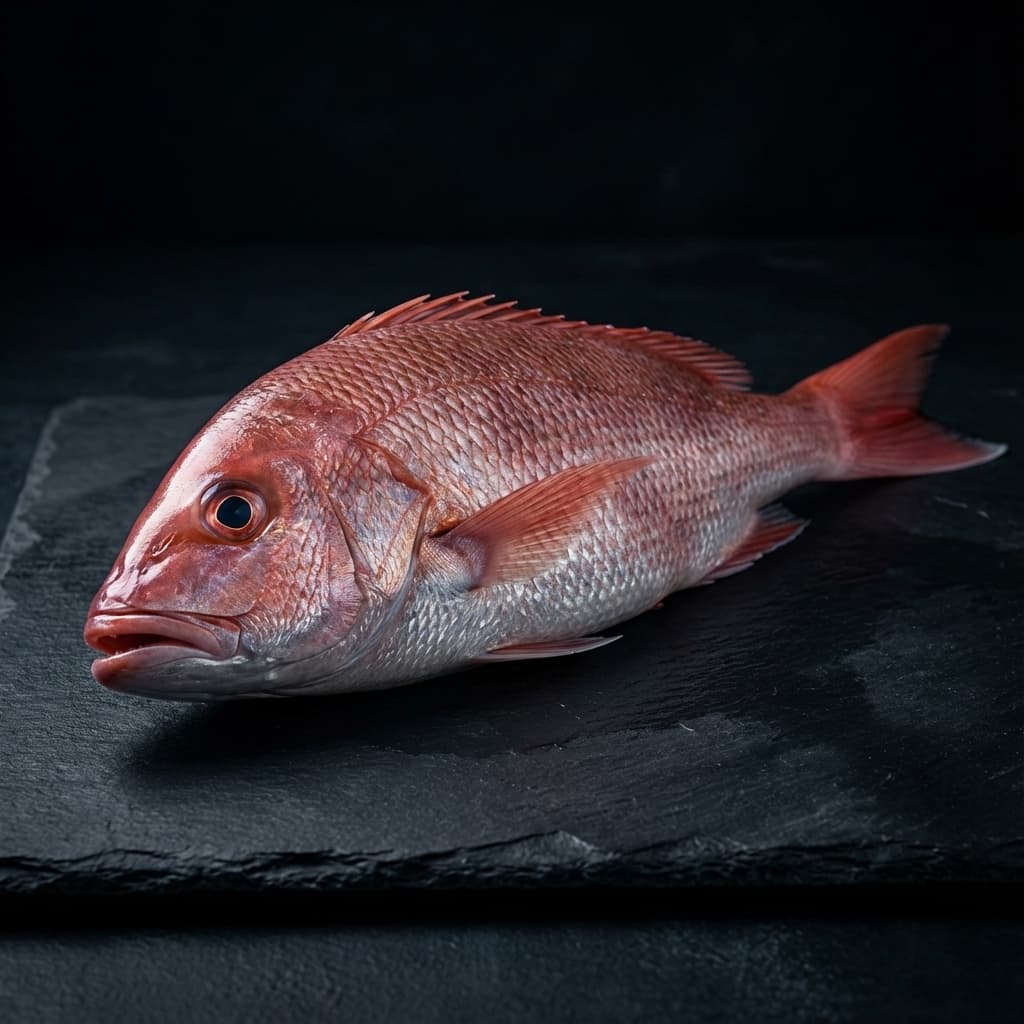
Whole, gutted, head-on, head-off, or fillet options are confirmed by species, size, and facility capability.
How should size and processing be specified?
Define the size range by weight or count. State tolerance, net weight, freezing method, glazing, and storage temperature.
Why state the intended use?
Retail counters, hotels, restaurant portions, and further processing require different cuts, sizes, and packs.
Which cold-chain details are required?
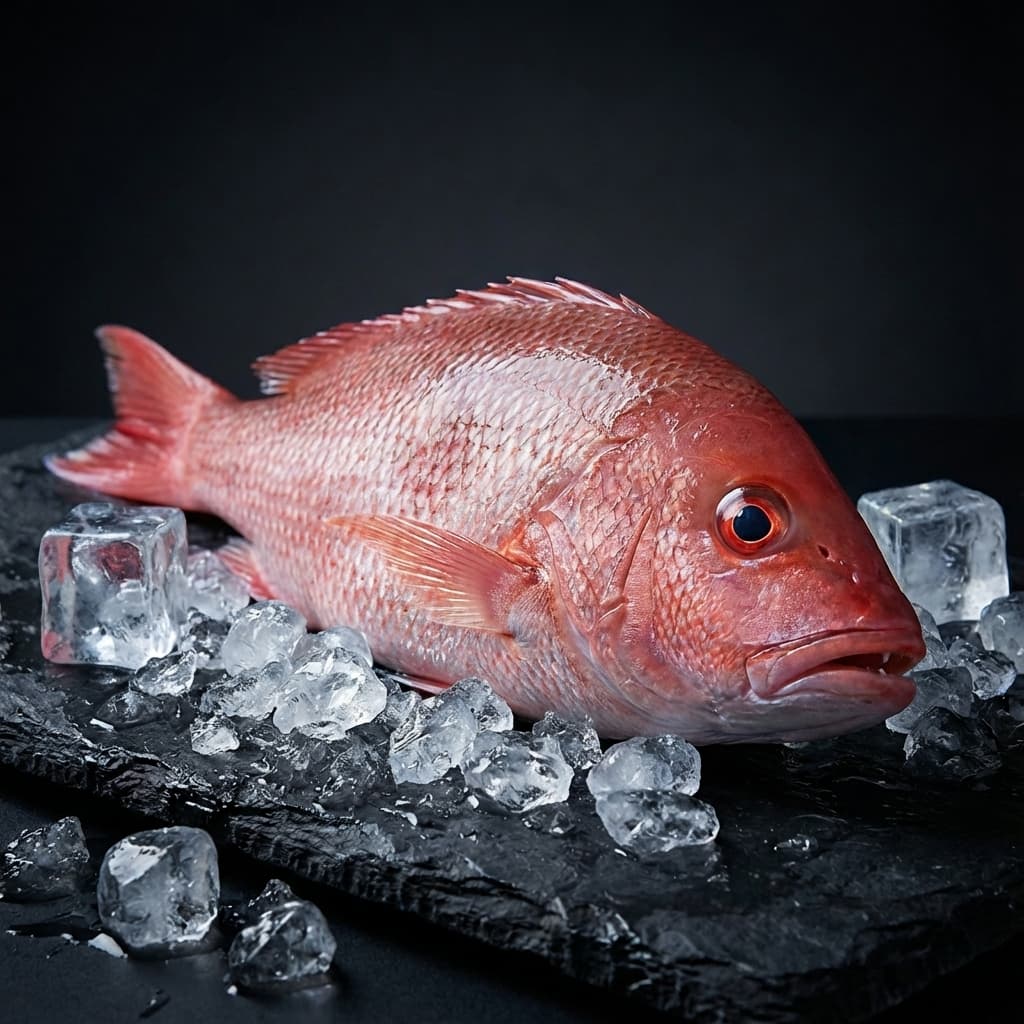
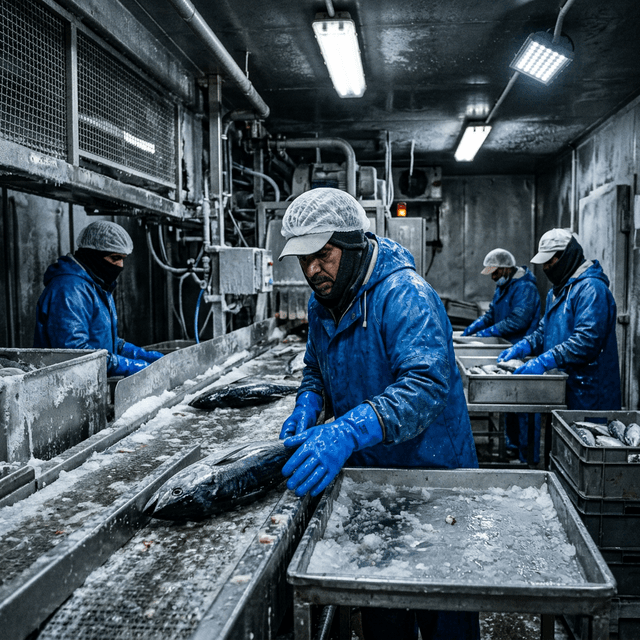
Confirm production, loading, and transport temperatures, shelf life, thawing instructions, and temperature records for the product.
Which documents should be requested?
Confirm the specification, analysis or health documents, origin, facility details, packing list, and shipment papers for the destination.
What determines the price of red snapper?
Size grade separates the bands, as 1-2 kg and 2-4 kg fish are not quoted alike. The price then reflects whole round or headless gutted processing, the glaze percentage and net weight basis, the sea frozen method, the fishing season, the order volume and the incoterm, FOB, CIF or DAP. Send the grade and format through the Request Quote button.
Do you supply red snapper to the UAE and Gulf buyers?
Yes. Omani red snapper ships to Gulf ports in a frozen reefer container on FOB, CIF or DAP terms, from an EU approved and FDA registered plant. Health and origin documents are prepared for the destination market. Because the lead time depends on the catch, the production slot and the sailing, it is confirmed per order rather than in advance.
What does sea frozen on board mean?
The fish is frozen on the vessel shortly after the catch instead of being chilled and frozen on land later. The cold chain therefore starts earlier, which gives a different texture and freshness profile from land frozen product. State the freezing method, the storage temperature and the thawing instruction together in the purchase order.
Whole round or headless gutted, which should I order?
Whole round carries the visual impact for counter display and whole fish cooking. Headless and gutted reduces waste and kitchen labour and is easier to fillet and portion. Both are offered in the same size grades, so the decision comes down to how the fish is presented and how much preparation time the kitchen can give it.

 Chat on WhatsApp