Which rock lobster formats can be supplied?
Whole, tail, or processed formats are confirmed by product, size, and producer capability.
How should size and processing be specified?
Confirm individual weight, size grade, raw or cooked state, freezing, glazing, shell condition, and net weight.
Why state the intended use?
Hotels, restaurants, buffets, and retail require coordinated presentation, portion size, and packing.
Which cold-chain details are required?
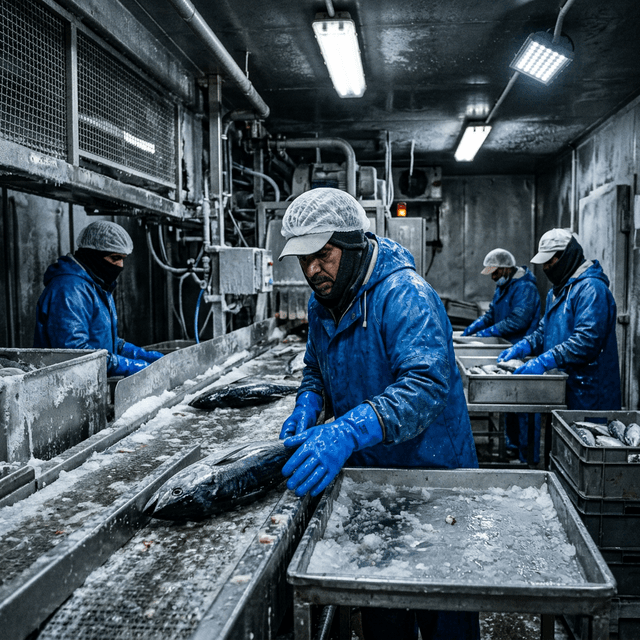
Confirm production, loading, and transport temperatures, shelf life, thawing instructions, and temperature records for the product.
Which documents should be requested?
Confirm the specification, analysis or health documents, origin, facility details, packing list, and shipment papers for the destination.
What determines the price of frozen rock lobster?
The size mix inside the carton drives it, because a 300 g piece and a 2 kg piece do not carry the same value. The quotation also reflects raw or processed state, the glaze percentage and net weight basis, sea frozen or land frozen production, the fishing season, the order volume and the incoterm. Send your requirement through the Request Quote button.
Do you supply frozen lobster to Dubai and the UAE?
Yes. Omani rock lobster ships to Gulf ports in a frozen reefer container on FOB, CIF or DAP terms, from an EU approved and FDA registered plant, with health and origin documents prepared for the destination. Lead time follows the catch, the production slot and the sailing schedule, so it is confirmed per order rather than promised up front.
What does a mixed size carton mean?
The carton is packed across a range rather than a single calibration, in this case from 300 g to 2 kg per piece. If your menu needs a fixed portion weight, say so before the order: whether a narrower band can be run depends on the catch and the plant's production in that period. Putting the expectation in writing avoids disputes later.
How does rock lobster differ from sand lobster?
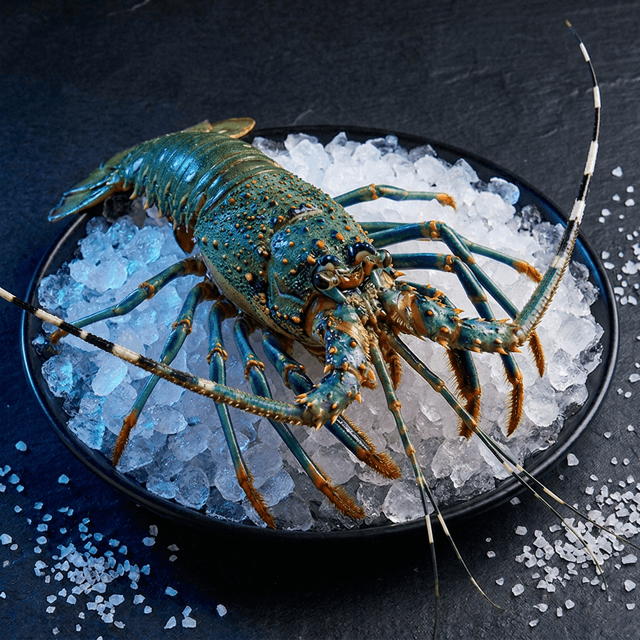
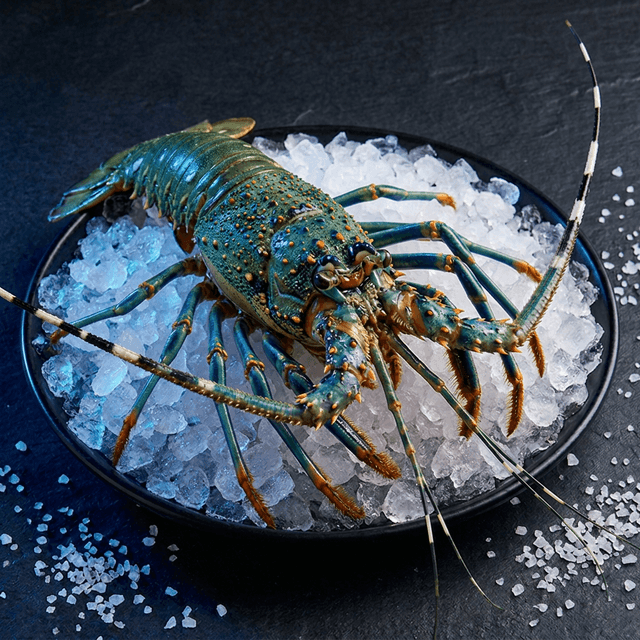
Rock lobster (Panulirus homarus) is a spiny species with long antennae and a higher tail meat ratio, packed from 300 g to 2 kg. Sand lobster, or slipper lobster (Thenus orientalis), has a flatter body and smaller pieces, packed from 200 g to 1.5 kg. Presentation expectations and cost per portion usually decide between them.

 Chat on WhatsApp