Which black sea salmon formats can be supplied?
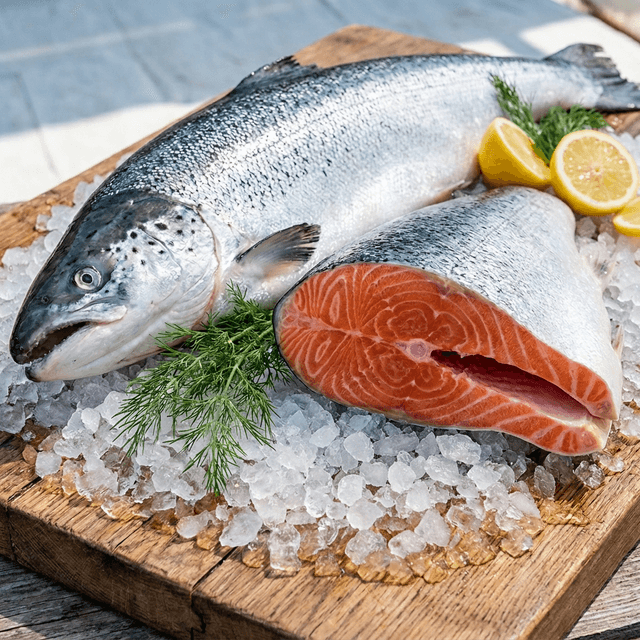
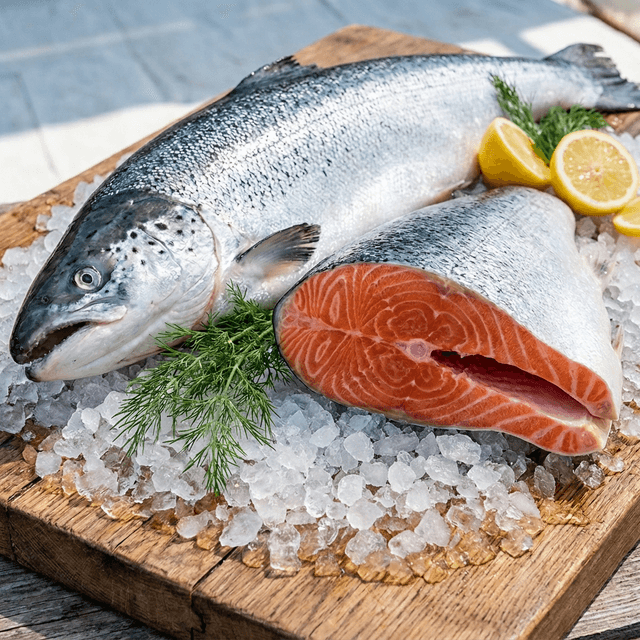
Whole, gutted, head-on, head-off, or fillet options are confirmed by species, size, and facility capability.
How should size and processing be specified?
Define the size range by weight or count. State tolerance, net weight, freezing method, glazing, and storage temperature.
Why state the intended use?
Retail counters, hotels, restaurant portions, and further processing require different cuts, sizes, and packs.
Which cold-chain details are required?
Confirm production, loading, and transport temperatures, shelf life, thawing instructions, and temperature records for the product.
Which documents should be requested?
Confirm the specification, analysis or health documents, origin, facility details, packing list, and shipment papers for the destination.
Do you supply Turkish salmon to the Gulf market?
Yes. Black Sea salmon ships from Turkey as chilled fish by air freight in iced boxes, or frozen in a reefer container, on FOB, CIF or DAP terms. Health certification and origin documents are issued by the EU export certified plant for the destination. Lead time follows the flight or sailing that is booked and is confirmed per order.
What determines the price of Black Sea salmon?
Size grade sets the band, since 2-3 kg and 3-4 kg fish are priced differently. The quotation then reflects fresh or frozen form, the gutted processing, the packing, the harvest period, the order volume and the incoterm. Send the grade and the form you need through the Request Quote button and we will return a current price.
Which sizes and formats are available?
Current product data lists gutted fish in 2-3 kg and 3-4 kg calibrations, packed at 10 kg net weight per box, fresh or frozen. If you need fillets or fixed portions, raise it before the order so we can confirm with the plant what its production line can run in that period, along with the packing that suits your cold chain.
Which documents should be requested for frozen salmon?
Ask for the product specification, health certificate, certificate of origin, plant approval number, packing list and shipment papers prepared for the destination. Alongside those, request the freezing method, storage temperature, shelf life, thawing instruction and cold chain records. Each document is verified with the plant per product and per production batch before loading.

 Chat on WhatsApp